Diploma in Mechanical Engineering: Unleashing Your Potential
- kps polytechnic
- Mar 25, 2025
- 3 min read

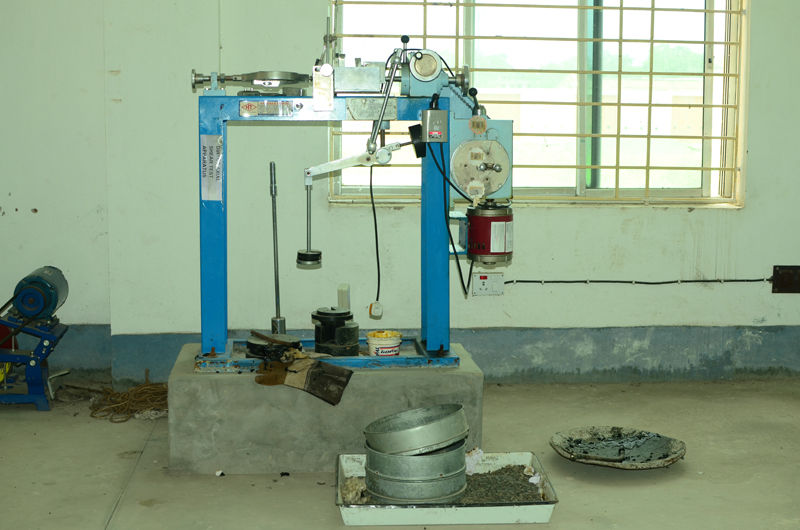
Mechanical engineering is one of the most versatile and in-demand jobs in the international world of technology and innovation. A Diploma in Mechanical Engineering is a passport to a range of career opportunities across industries such as manufacturing, automotive, aerospace, energy, and robotics. This award provides students with foundation engineering skills, hands-on experience, and problem-solving ability required to flourish in the constantly changing world of mechanical engineering.
Why Choose a Diploma in Mechanical Engineering?
A mechanical engineering diploma is a career-focused and hands-on program for students who want to get into the workforce as soon as possible while still gaining a solid technical background. Some of the reasons why this diploma is worth considering are:
Smaller Duration, Early Launch in Career: While a conventional full-length degree course would normally take four years to finish, a diploma course tends to be within three years or even shorter. This gives learners the chance to enter the employment market early and gain some worthwhile experience.
Industry-Relevant Syllabus: The program is geared to provide a balance of theoretical knowledge and practical experience. Topics covered vary from thermodynamics, fluid mechanics, and manufacturing processes to machine design and CAD/CAM (Computer-Aided Design/Manufacturing), with the focus being on graduates capable of meeting industry challenges.
Affordable Education: Compared to the price of a complete engineering degree, a diploma is more affordable, therefore the most ideal option for those who want to acquire technical know-how without suffering the burden of high costs.
Diverse Career Options: A diploma holder in mechanical engineering can pursue many career roles such as mechanical technician, maintenance engineer, quality control engineer, and production supervisor. One can also pursue further studies by enrolling in lateral entry courses for a bachelor's degree.
Fundamental Subjects and Competency Development
A diploma in mechanical engineering covers a wide range of studies that serve as the foundation for a successful career. Some fundamental subjects are:
Engineering Mechanics – Understanding the concepts of forces and motion used in mechanical systems.
Manufacturing Processes – Acquaintance with different methods of production like casting, machining, and welding.
Thermodynamics – The study of energy transfer, heat engines, and refrigeration cycles.
Strength of Materials – Analyzing material properties to design durable mechanical components.
Fluid Mechanics – Studying fluid flow and their application in machinery and pipes.
Machine Design – Understanding how to design mechanical parts and assemblies.
Besides the technical education, students also learn basic skills such as:
Problem-Solving Skills: Mechanical engineers often work with complex problems that require logical thinking and analytical skills.
Technical Drawing and CAD Software Competence: Most industries require engineers to design and analyze mechanical systems using software like AutoCAD and SolidWorks.
Hands-on Practical Experience: Workshops and laboratory sessions provide practical experience in handling mechanical machines and tools.
Communication and Teamwork: Mechanical engineers work on multi-disciplinary teams, hence effective communication and teamwork are vital.
Career Prospects and Further Studies
Diploma graduates in mechanical engineering can have access to various career prospects. Some of the highly demanded job roles are:
Mechanical Technician – Assisting design, testing, and maintaining mechanical systems.
Production Supervisor – Coordinating manufacturing processes for efficiency and quality.
Maintenance Engineer – Ensuring equipment operates smoothly in industries like automotive, power plants, and aerospace.
Quality Control Engineer – Inspecting products and processes to maintain industry standards.
For all such students looking for further learning, a diploma offers a gateway to continuing Bachelor of Engineering (B.E.) or Bachelor of Technology (B.Tech.) in Mechanical Engineering through lateral entry into year II of the degree course. Specialization in areas like robotics, mechatronics, or renewable energy is an added stimulus towards greater career heights.
Conclusion
A Diploma in Mechanical Engineering is an excellent choice for students with an interest in machinery, creativity, and problem-solving. It offers a solid technical foundation, practical skills, and numerous career opportunities in any field. As the demand for skilled mechanical engineers grows, this diploma can be the key to unlocking a rewarding and prosperous career. If you choose to become a part of the workforce immediately or pursue further studies, then the prospects in mechanical engineering have no bounds.


Comments