Civil vs. Mechanical vs. Electrical: Which Diploma Branch to Choose at KPS Institute of Polytechnic?
- kps polytechnic
- Mar 12
- 6 min read


Civil vs Mechanical vs Electrical diploma KPS Institute of Polytechnic, if this comparison has been running through your mind ever since your JEXPO results came out, you are not alone. Every year, thousands of students in West Bengal face this exact crossroads: a decent rank in hand, a few branches to choose from, and the pressure of making a decision that will shape the next decade of their lives.
The truth is, there is no single "best" branch. Each of these three disciplines offers strong career prospects, government job opportunities, and a launchpad to higher education. What matters is finding the right fit for your interests, strengths, and long-term goals.
This guide breaks down all three branches offered at KPS Institute of Polytechnic honestly, thoroughly, and with the career data you actually need to decide confidently.
Understanding the Three Branches at a Glance
Before diving into comparisons, here is a quick overview of what each discipline actually involves:
Civil Engineering — Building the World Around You
Civil engineering is the branch that deals with the design, construction, and maintenance of physical infrastructure — roads, bridges, buildings, drainage systems, and more. If you enjoy working outdoors, visualizing structures, and contributing to large-scale projects that communities depend on, civil engineering could be your calling.
Mechanical Engineering — Keeping Industries Moving
Mechanical engineering focuses on machines, tools, manufacturing processes, thermal systems, and industrial production. From automobile engines to HVAC systems and CNC machines, mechanical engineers are the people who understand how things move, function, and wear. It is a hands-on, workshop-heavy discipline best suited for people who love taking things apart and understanding how they work.
Electrical Engineering — Powering Modern Civilization
Electrical engineering covers power systems, circuit design, industrial electronics, automation, and energy distribution. Whether it is wiring a factory floor, maintaining a power grid, or working on solar installations, electrical engineers are at the heart of India's rapidly evolving energy and technology landscape.
Note: All three branches at KPS Institute of Polytechnic are affiliated with WBSCTE, meaning your diploma carries equal state-recognized value regardless of which branch you choose.
What Will You Actually Study? A Curriculum Snapshot
Civil Diploma Subjects
Building Construction, Surveying, Structural Engineering
AutoCAD, Estimation & Costing, Soil Mechanics
Frequent site visits and fieldwork components
Mechanical Diploma Subjects
Engineering Drawing, Thermodynamics, Manufacturing Processes
CAD/CAM, Machine Design, Fluid Mechanics
Intensive workshop sessions — expect to work with real tools and machines
Electrical Diploma Subjects
Circuit Theory, Electrical Machines, Power Systems
Industrial Electronics, PLC & Automation, Renewable Energy Systems
Lab-intensive curriculum with strong relevance to modern automation trends
Which has the heaviest math load? Mechanical and Electrical are slightly more calculation-intensive. Civil balances theory with practical site-based learning. All three are manageable if you are reasonably strong in Class 10 Mathematics.
Career Scope & Job Opportunities — The Real Picture
Civil Engineering — Stable, Widespread, and Government-Friendly
Civil diploma holders enjoy one of the broadest job landscapes in West Bengal. On the government side, opportunities include roles in PWD (Public Works Department), WBHRB, CPWD, RITES, and Indian Railways. In the private sector, real estate firms, construction companies, and project management consultancies actively hire diploma civil engineers.
Self-employment is also a major advantage here. Diploma in civil engineering holders routinely become site supervisors, estimators, and building contractors — often earning significantly more over time than salaried employees.
Trend Alert: India's National Infrastructure Pipeline (NIP) and PMAY housing schemes are injecting massive investment into construction. Demand for civil engineers at every level is expected to stay strong through 2030 and beyond.
Mechanical Engineering — Industry-Driven with a Bright Future
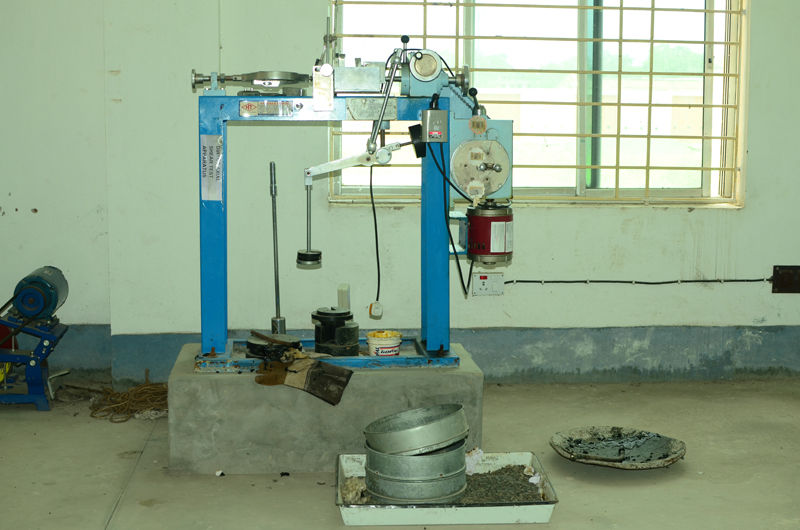
Mechanical diploma graduates find strong placement in automobile companies, heavy manufacturing plants, HVAC firms, and defense-linked industries. Government recruitment comes through organizations like Indian Railways (JE Mechanical), SAIL, BHEL, ONGC, and DRDO.
The EV (electric vehicle) revolution is quietly reshaping diploma in mechanical engineering careers. EV component manufacturing, battery system maintenance, and industrial automation are creating entirely new roles that a sharp mechanical diploma graduate is well-positioned to fill.
Electrical Engineering — The Fastest-Growing of the Three

Electrical Engineering diploma holders are currently in the highest demand across government PSUs. WBSEDCL, CESC, NTPC, NPCIL, and the Electrical Division of Indian Railways all recruit electrical diploma engineers regularly. Private sector demand spans power distribution companies, industrial automation firms, solar energy developers, and IT infrastructure companies.
Trend Alert: India has committed to 500 GW of renewable energy capacity by 2030. EV charging infrastructure, smart grids, and solar farm installations are creating a demand surge for electrical engineers that shows no signs of slowing.
JEXPO Cutoff Comparison — Which Branch Is Easier to Get Into at KPS?
Cutoffs vary by branch based on demand. At most West Bengal polytechnics, including KPS Institute, Computer Science typically draws the highest competition. Among the three branches in this comparison, the general pattern is:
Electrical — High demand, moderately competitive cutoff
Mechanical — Moderate demand, accessible cutoff rank range
Civil — Typically, the most accessible cutoff among major engineering branches
Strategic tip: If your JEXPO rank is on the higher side, Civil engineering at KPS may be a smart and rewarding entry point rather than settling for a less preferred branch elsewhere. Always choose the institute's reputation and branch interest over rank anxiety.
Higher Education After Your Diploma — This Is Just the Beginning
Completing a diploma at KPS Institute of Polytechnic is not a career ceiling; it is a launchpad. All three branches qualify for lateral entry into the second year of a B.Tech program through VOCLET or equivalent examinations.
Universities like MAKAUT (Maulana Abul Kalam Azad University of Technology), IIEST Shibpur, and various NITs accept lateral entry students with strong academic records. Your diploma performance matters; take it seriously.
Which Branch Suits Your Personality? A Quick Self-Assessment
You may be a Civil Engineering person if...
You enjoy outdoor work and have a strong sense of spatial design
Government sector stability appeals to you
You can see yourself managing construction sites or planning infrastructure
You may be a Mechanical Engineering person if...
You are fascinated by how machines, engines, and manufacturing work
Hands-on workshop activities energize rather than exhaust you
You would thrive in a factory, automotive plant, or industrial environment
You may be an Electrical Engineering person if...
Circuits, power systems, and electronics genuinely excite you
You are interested in renewable energy, EVs, and smart automation
Logical, systematic thinking in a lab or field setting is where you shine
Honest Advice: The student who picks a branch based on genuine interest consistently outperforms the one who picks based on rank or peer pressure. Be honest with yourself — it pays off over an entire career.
The Side-by-Side Verdict — Civil vs. Mechanical vs. Electrical
Here is a clean comparison to help you weigh each branch across the factors that matter most:
Criteria | Civil | Mechanical | Electrical |
JEXPO Admission Ease | Easiest | Moderate | Competitive |
Govt. Job Scope | Very High | High | Highest |
Private Sector Scope | High | High | High |
Future Growth (2026-30) | Strong | Strong | Outstanding |
Self-Employment | Excellent | Good | Excellent |
Starting Salary (WB) | Rs.12-20K/mo | Rs.13-22K/mo | Rs.14-24K/mo |
Best For | Outdoor / Govt. | Machines / Plants | Power / Tech |
Frequently Asked Questions
Which diploma branch has the most government jobs in West Bengal?
Electrical engineering consistently features in the highest number of PSU and state government recruitment notifications — WBSEDCL, NTPC, CESC, and Railways Electrical are major employers. That said, Civil also has exceptional government scope through PWD, CPWD, and infrastructure projects.
Is an electrical diploma better than a mechanical one in 2026?
Both are strong choices. Electrical has a slight edge in 2026 due to the renewable energy boom and government recruitment volume. However, if your interest lies in manufacturing, automobiles, or heavy industry, mechanical remains an outstanding choice with excellent long-term prospects.
Can I switch branches after completing my diploma?
Technically, yes — through lateral entry B.Tech, some interdisciplinary movement is possible. However, for a smoother career trajectory, it is always best to choose your branch thoughtfully from the start.
Which diploma branch is best for self-employment in West Bengal?
Civil and Electrical both offer strong self-employment potential. Civil diploma holders often become building contractors or site estimators, while electrical diploma holders build successful businesses as licensed electrical contractors or solar system installers.
Conclusion: Make the Choice That Fits You — Not the Crowd
The Civil vs Mechanical vs Electrical debate does not have a single winner — each branch at KPS Institute of Polytechnic offers a distinct, rewarding pathway depending on who you are and where you want to go.
Civil engineering is your path if you value stability, infrastructure work, and strong government sector prospects. Mechanical engineering is the right fit if machines, manufacturing, and the EV-driven future excite you. Electrical engineering is the branch of the moment, backed by India's renewable energy ambitions and one of the strongest government recruitment pipelines in the state.
Whichever branch you choose, commit to it fully. A diploma from a WBSCTE-affiliated institute like KPS Institute of Polytechnic, combined with genuine effort and the right career strategy, is a solid foundation for a rewarding professional life.
Which branch are you leaning towards — and what is driving that choice?


Comments